In an increasingly interconnected world, staying informed about global developments has become essential for understanding the forces shaping our lives. From geopolitical tensions and economic upheavals to technological innovations and creative resistance, this week’s international news landscape offers a fascinating tapestry of stories that illuminate the challenges and opportunities facing humanity. These narratives span continents and disciplines, reflecting the complex interplay between politics, economics, technology, and culture that defines our modern era.
The concept of a weekly global news roundup has gained significant traction in recent years, as readers seek curated insights that cut through the overwhelming volume of daily information. This approach allows for deeper analysis and context, helping audiences understand not just what happened, but why it matters and how it connects to broader trends affecting billions of people worldwide.
The Trump Factor: Political Uncertainty Looms Over Global Markets
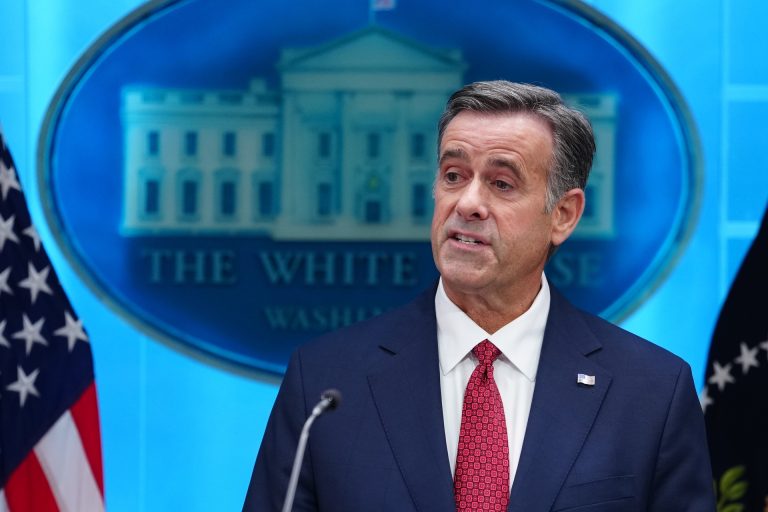
The metaphor of the Damocles sword hanging over international affairs aptly describes the current political climate surrounding former President Donald Trump’s influence on American and global politics. As the 2024 election cycle continues to unfold, markets and governments worldwide are carefully monitoring developments that could reshape international trade agreements, diplomatic relationships, and economic policies. The uncertainty stems not only from potential policy shifts but also from the unprecedented legal challenges facing the former president, which have created a uniquely volatile political environment.
Historically, American presidential transitions and political uncertainty have had profound ripple effects across global financial markets. The interconnected nature of modern economies means that shifts in U.S. policy can trigger immediate responses in stock exchanges from Tokyo to London, affecting everything from currency valuations to commodity prices. Analysts note that the current situation represents a particularly acute case of political risk premium, with investors attempting to price in scenarios ranging from continuity to dramatic policy reversals.
European Economic Storm: Bankruptcy Wave Threatens EU Stability
Across the Atlantic, the European Union faces its own economic challenges as a concerning wave of corporate bankruptcies threatens to undermine the bloc’s fragile recovery. Recent data indicates a significant uptick in business failures across major EU economies, particularly in sectors still recovering from pandemic-era disruptions and now grappling with elevated energy costs and persistent inflation. Germany, traditionally the economic engine of Europe, has seen particularly troubling increases in insolvency filings, raising questions about the continent’s economic resilience.
The bankruptcy surge reflects a perfect storm of economic pressures that have converged on European businesses. High interest rates implemented by the European Central Bank to combat inflation have increased borrowing costs for companies already operating on thin margins. Meanwhile, energy prices, though retreated from their 2022 peaks, remain significantly elevated compared to pre-crisis levels, creating ongoing operational challenges for energy-intensive industries. Small and medium enterprises, which form the backbone of European economies and employ the majority of workers, have been particularly vulnerable to these compounding pressures.
Economic historians note that bankruptcy cycles often serve as leading indicators of broader economic health, potentially foreshadowing employment challenges and reduced consumer spending in the months ahead. EU policymakers are closely monitoring the situation, weighing potential intervention measures against concerns about moral hazard and the importance of allowing market mechanisms to function.
Creative Resistance: Typography Takes on Artificial Intelligence
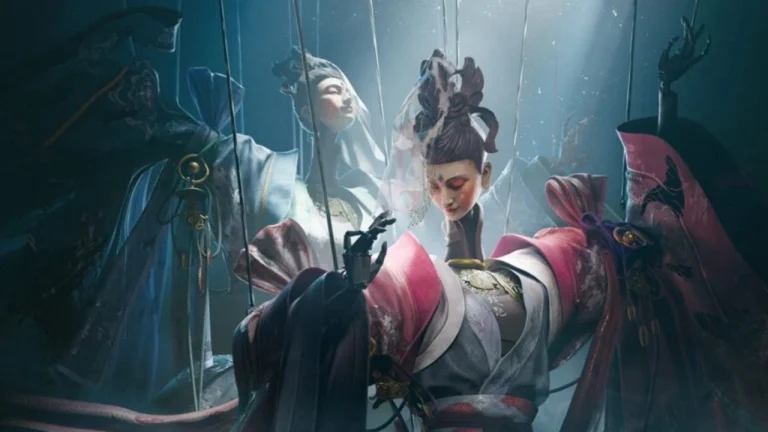
In a fascinating intersection of technology and creativity, designers and typographers have developed fonts specifically engineered to resist artificial intelligence systems. This innovative form of technological resistance represents a growing movement among creative professionals concerned about AI’s ability to scrape, reproduce, and learn from human-created content without consent or compensation. These anti-AI fonts employ subtle design elements that remain readable to human eyes but confuse the pattern recognition algorithms that power modern AI systems.
The development of such fonts reflects broader tensions in the creative community regarding artificial intelligence’s rapid advancement into traditionally human domains. Artists, writers, and designers have increasingly voiced concerns about AI systems trained on their work without permission or payment, leading to numerous legal challenges and calls for regulatory intervention. The anti-AI font movement represents a grassroots technological response to these concerns, empowering creators to protect their work through design rather than relying solely on legal frameworks that have struggled to keep pace with technological change.
Expert Opinion: The convergence of political uncertainty, economic fragility, and technological disruption we’re witnessing represents a pivotal moment in global affairs. Markets should expect continued volatility as these interconnected forces play out over the coming months, with particular attention needed on the EU’s economic trajectory and the evolving relationship between human creativity and artificial intelligence. The businesses and individuals who navigate this period successfully will be those who remain adaptable while maintaining clear strategic vision.