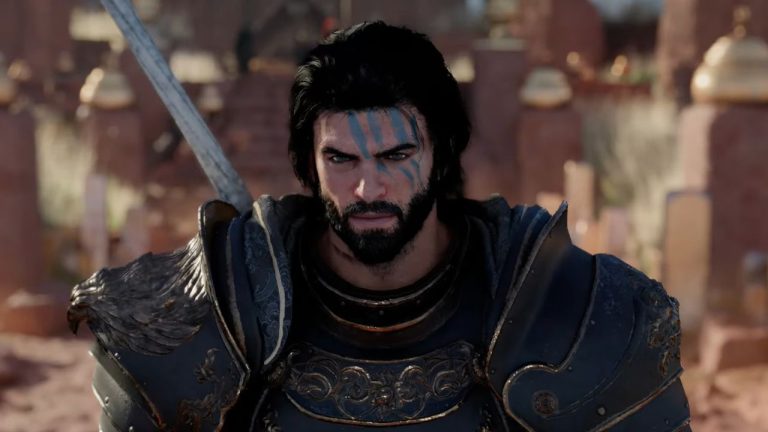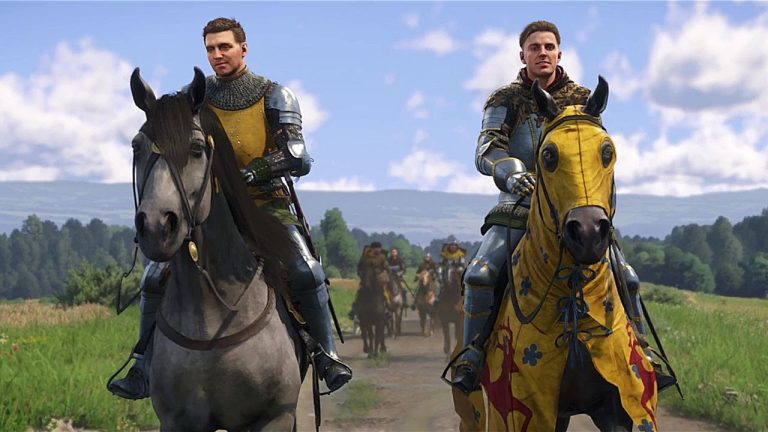
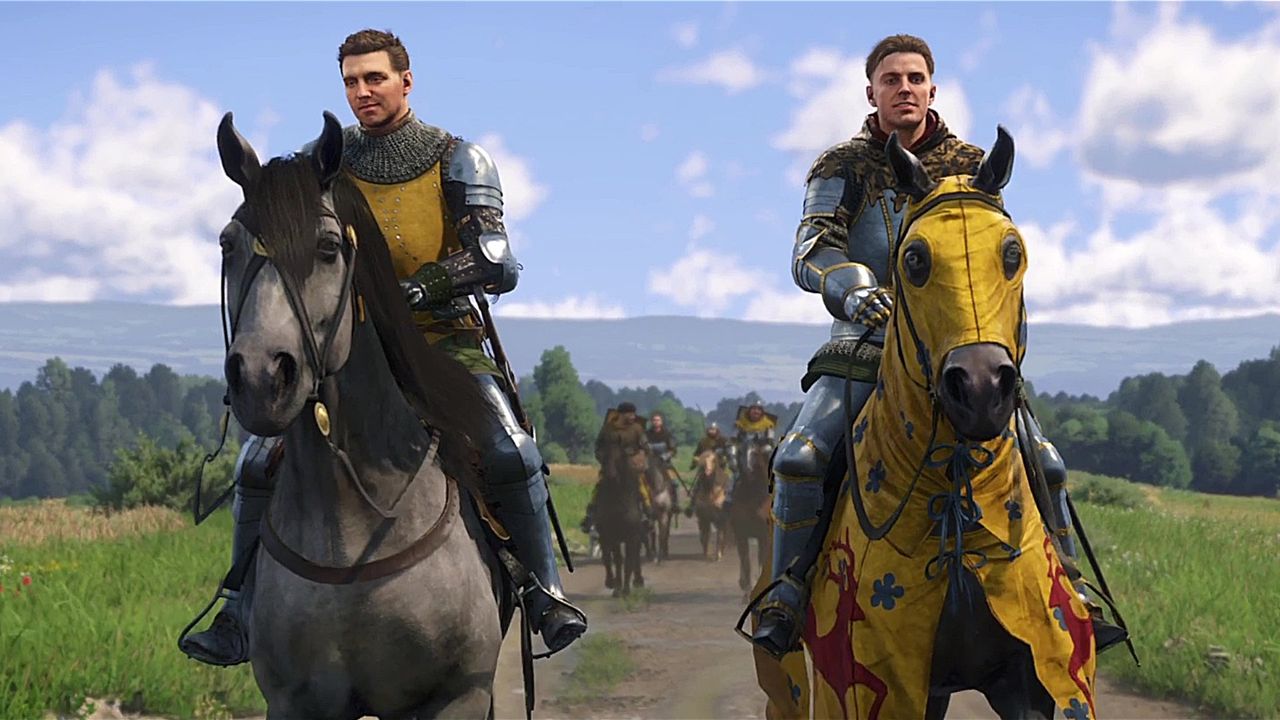
In an extraordinary demonstration of dedication to both gaming and historical preservation, an anonymous Kingdom Come: Deliverance superfan has embarked on a remarkable journey across the Czech Republic, hiking through the countryside to create an interactive 3D mapping project that compares the game’s meticulously crafted medieval world to its real-life counterparts. The project, known as KingdomCompare, has earned the official endorsement of Warhorse Studios and offers players an unprecedented opportunity to see just how faithfully the developers recreated 15th century Bohemia in their critically acclaimed role-playing game.
Kingdom Come: Deliverance 2, released to widespread acclaim, has captivated players not only with its engaging characters, emergent gameplay systems, and absorbing narrative but also with its stunning recreation of historical Bohemia. The game features entire cities, towns, monasteries, and landmarks that were painstakingly mapped from actual locations that visitors can explore today. For those unable to make the journey to Prague and the surrounding Czech countryside, KingdomCompare provides the next best thing: side-by-side 360-degree panoramas comparing actual photographs to full panoramic images captured within the game itself.
The KingdomCompare Project: Bridging Virtual and Real Worlds
The KingdomCompare website allows users to explore interactive 3D panoramas featuring real photographs positioned alongside corresponding in-game screenshots, creating a seamless comparison experience. Users can click and drag to fully explore their surroundings, examining their favorite in-game locations as they exist in the real world. The similarities are striking, even to longtime fans who have spent hundreds of hours exploring the virtual recreations of Kuttenberg and Trosky. The project showcases landmarks like Sasau Monastery, which appears in both the original Kingdom Come: Deliverance and its sequel, demonstrating the remarkable consistency of Warhorse’s attention to historical detail.
“I made this website to showcase the incredible attention to detail Warhorse put into recreating real locations from 600 years ago,” explains the anonymous creator. “While planning my KCD trip last year I spent a few evenings with streetview on one monitor and KCD 1&2 on another. While that was fun I wished there was an easier way to do this. That’s how the idea for this website was born.” This simple observation sparked what would become an ambitious cartographic undertaking that has since garnered attention from the gaming community worldwide.
Historical Context: Warhorse’s Commitment to Authenticity
Warhorse Studios, founded in Prague in 2011 by Daniel Vávra and Martin Klíma, has built its reputation on historical authenticity. The original Kingdom Come: Deliverance, released in 2018, was groundbreaking in its commitment to depicting medieval life without fantasy elements—no magic, no dragons, just the brutal reality of 15th century Bohemia during a tumultuous period of civil war following the death of Holy Roman Emperor Charles IV. The developers consulted with historians, archaeologists, and medieval weapons experts to ensure every detail, from sword fighting techniques to period-accurate clothing and architecture, reflected historical reality as closely as possible.
The game is set during the actual historical events surrounding the conflict between King Wenceslaus IV of Bohemia and his half-brother Sigismund of Hungary. This attention to real history extends to the physical landscape, with locations like Rattay (based on the real town of Rataje nad Sázavou), Sasau (inspired by Sázava), and in the sequel, the Kuttenberg region (based on Kutná Hora, a UNESCO World Heritage Site famous for its medieval silver mines and the iconic Sedlec Ossuary). Naturally, the game’s map isn’t an exact 1:1 replica of the real geography—the actual distances had to be compressed to create a manageable open-world experience that doesn’t require weeks of real-time travel between cities.
The Painstaking Process Behind the Maps
The technical process behind KingdomCompare is remarkably complex and labor-intensive. The creator traverses the Czech countryside primarily on foot, with exceptions made only for “the few small villages in the northern part of the Kuttenberg region.” Using specialized panoramic camera equipment, they capture full 360-degree photographs at each historical site. The post-processing workflow involves editing out shadows and bystanders from the photographs, then locating the precise corresponding position within the game world. Using an Autohotkey script while in the game’s photo mode, the creator captures 17 screenshots while rotating the virtual camera, which are then stitched together using open-source software called Hugin.
The alignment process requires a custom Blender template to match the rotation between real and virtual panoramas, followed by color adjustments to create seamless visual harmony between the photographs and game captures. Finally, additional scripting ensures everything loads cleanly in web browsers. “There also aren’t a lot of historical maps from this time available to use as reference and obviously a lot has changed in 600 years,” notes the creator on the project’s About page. “Some could definitely be aligned better than now but the process of doing one location is already quite long.” For prospective travelers inspired by the project, the creator offers practical advice: “It’s totally doable and there are some nice routes for sure, but I’d say you can easily skip most of the smaller villages without missing anything.”
Currently, only the Kuttenberg region—which encompasses a substantial portion of Kingdom Come: Deliverance 2’s explorable world—is complete. However, the project roadmap includes plans to eventually cover Trosky, the other major region in the sequel, as well as Sasau from the original game. The project represents not just a tribute to Warhorse’s craftsmanship but also a valuable resource for anyone interested in medieval Bohemian history or planning their own pilgrimage to these remarkable historical sites. In related news demonstrating the game’s cultural impact, the actor who portrays the beloved character Hans Capon has announced plans to open a “medieval-inspired bar” in Prague, further blurring the lines between Kingdom Come’s virtual world and reality.
Expert Opinion: Projects like KingdomCompare represent an emerging trend in gaming culture where dedicated fans serve as cultural ambassadors, bridging entertainment and historical education. This level of community engagement not only validates Warhorse’s painstaking approach to historical accuracy but also demonstrates how video games can inspire real-world exploration and appreciation for cultural heritage sites. As gaming continues to mature as a medium, we can expect more instances of virtual worlds driving tourism and historical interest in previously overlooked locations.