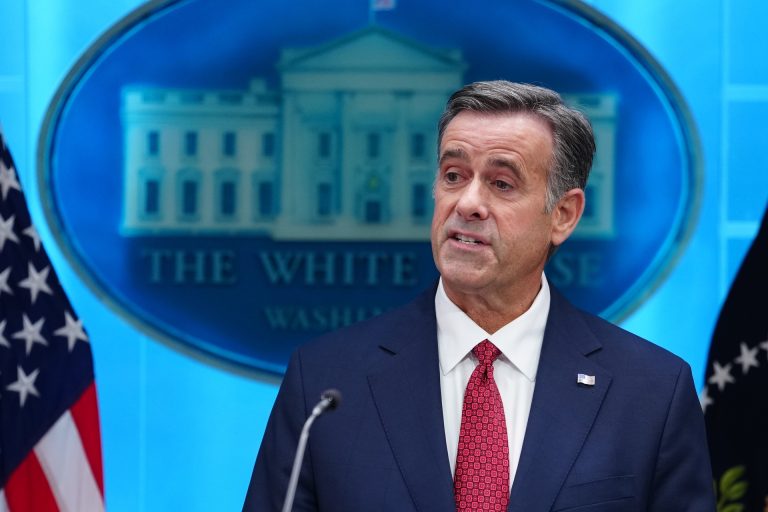
In a diplomatic move that has captured international attention, CIA Director John Ratcliffe made an unannounced visit to Moscow, spending approximately four hours in the Russian capital. The surprise trip marks a significant moment in U.S.-Russia relations and has sparked widespread speculation about the nature of the communications between the two nations. This unexpected visit comes at a particularly sensitive time in global geopolitics, with ongoing tensions surrounding the conflict in Ukraine and broader strategic competition between Washington and Moscow.
The visit represents one of the most high-profile direct contacts between American and Russian intelligence officials in recent years. Ratcliffe, who previously served as Director of National Intelligence during the first Trump administration before being nominated to lead the CIA, reportedly met with Sergei Naryshkin, the head of Russia’s Foreign Intelligence Service (SVR). The meeting between these two powerful intelligence chiefs suggests that back-channel diplomacy may be intensifying between the two nuclear superpowers.
The Significance of Intelligence Channel Diplomacy
Throughout the Cold War and beyond, intelligence services have often served as crucial conduits for sensitive diplomatic communications between adversarial nations. When official diplomatic channels become strained or when messages require particular discretion, intelligence chiefs have historically stepped in to facilitate dialogue. The use of CIA directors for such missions has precedent, though direct visits to Moscow remain relatively rare and typically signal important developments in bilateral relations.
Western press outlets have been analyzing the potential subjects of discussion during the four-hour meeting. Many analysts suggest that the primary topic likely centered on Ukraine, where Russia’s military operation continues to create one of the most significant security challenges in Europe since World War II. The Trump administration has repeatedly expressed interest in finding a diplomatic resolution to the conflict, and this visit may represent a concrete step toward exploring potential negotiation frameworks.
Possible Agenda Items and Strategic Implications
Intelligence experts and diplomatic observers have outlined several possible topics that could have been on the agenda. First and foremost, any discussion likely touched upon the parameters for potential peace negotiations regarding Ukraine. The Trump administration has signaled its desire to bring the conflict to a close, and establishing preliminary conditions through intelligence channels would be consistent with historical diplomatic practice. Additionally, issues of mutual concern such as counterterrorism cooperation, prisoner exchanges, and arms control may have featured in the discussions.
The timing of the visit is particularly noteworthy. It comes as European allies express concern about the future of Western support for Ukraine and as various peace proposals circulate in diplomatic circles. Some analysts suggest that Ratcliffe may have been carrying a specific message from President Trump to President Putin, potentially outlining American positions or proposing a framework for future direct communication between the two leaders. Such presidential back-channel communications have been used throughout history to test diplomatic waters before committing to formal negotiations.
Historical Context and Future Implications
The practice of using intelligence chiefs for sensitive diplomatic missions dates back decades. During the Cold War, both American and Soviet intelligence services maintained informal communication channels even during periods of intense hostility. These connections often proved valuable in preventing misunderstandings that could escalate into direct confrontation. The current visit by Ratcliffe appears to follow this tradition, suggesting that despite public tensions, private dialogue continues between Washington and Moscow.
Looking ahead, this visit may signal a new phase in U.S.-Russia relations under the current administration. Whether it leads to substantive diplomatic breakthroughs or remains a preliminary exploration of possibilities will likely become clearer in the coming weeks and months. International observers, particularly in European capitals and Kyiv, will be watching closely for any indications of what was discussed and what commitments, if any, were made during this extraordinary Moscow visit.
Expert Opinion: This unprecedented visit signals that the Trump administration is actively pursuing back-channel diplomacy with Moscow at the highest intelligence levels, bypassing traditional State Department protocols. The four-hour duration suggests substantive discussions rather than mere courtesy, potentially indicating that concrete proposals regarding Ukraine were exchanged. However, any resulting diplomatic framework will face significant challenges in implementation, particularly regarding European allies and Ukrainian sovereignty concerns.