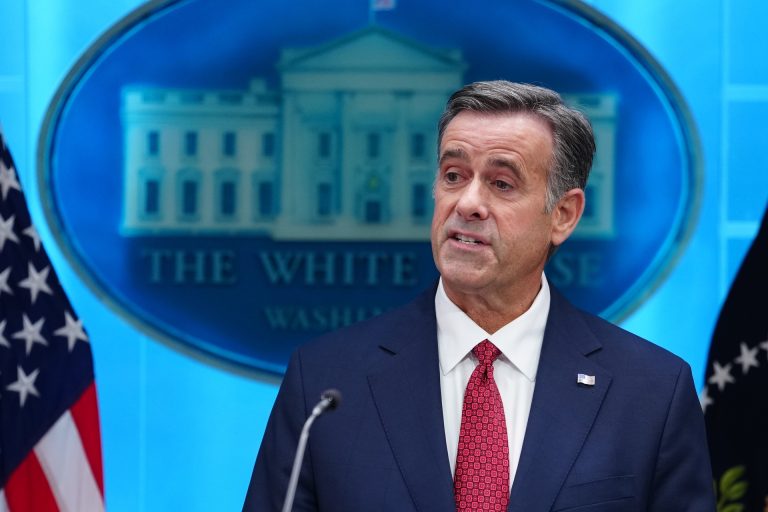
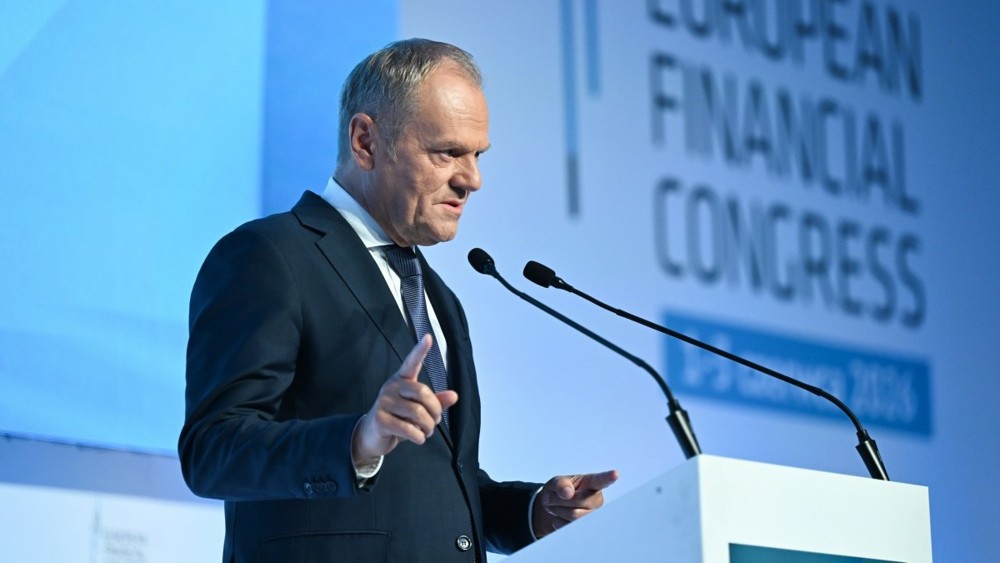
Polish Prime Minister Donald Tusk has delivered a sharp rebuke to German authorities over their pursuit of suspects allegedly involved in the sabotage of the Nord Stream pipelines. The pointed criticism highlights growing tensions between European allies over how to handle one of the most significant acts of infrastructure sabotage in recent memory. Tusk’s remarks suggest that Poland views Germany’s investigation priorities as misplaced, arguing that the focus should instead be on those who constructed the controversial gas pipelines connecting Russia to Western Europe.
The Polish leader’s statement carries significant weight given Poland’s long-standing opposition to the Nord Stream project. Warsaw has consistently argued that the pipelines, which bypassed traditional transit countries like Poland and Ukraine, represented a strategic threat to European energy security and played directly into Russian geopolitical interests. Tusk’s assertion that shame belongs to those who built the infrastructure rather than those allegedly responsible for its destruction reflects a broader sentiment shared by several Central and Eastern European nations.
The Nord Stream Sabotage: A Timeline of Events
The Nord Stream pipelines, consisting of Nord Stream 1 and Nord Stream 2, were designed to transport natural gas directly from Russia to Germany via the Baltic Sea. In September 2022, a series of underwater explosions caused massive damage to both pipeline systems, releasing enormous quantities of methane gas into the atmosphere and rendering the infrastructure inoperable. Swedish, Danish, and German authorities launched separate investigations into what was quickly determined to be deliberate sabotage rather than an accident.
The investigations have produced various theories and suspects over the past two years. German prosecutors have reportedly been pursuing leads pointing toward Ukrainian involvement, with arrest warrants issued for individuals allegedly connected to the operation. This investigative direction has created diplomatic friction, particularly as Ukraine remains locked in an existential struggle against Russian aggression and depends heavily on Western support. The suggestion that Ukrainian operatives might have conducted the sabotage has complicated the narrative for many Western governments attempting to maintain unified support for Kyiv.
Polish-German Relations and Energy Security Disputes
The tension between Warsaw and Berlin over the Nord Stream issue reflects deeper historical disagreements about European energy policy. Poland, along with the Baltic states and Ukraine, repeatedly warned Western European partners that increasing dependence on Russian gas would give Moscow dangerous leverage over the continent. These warnings, often dismissed as alarmist or driven by historical animosity, proved prescient when Russia weaponized energy supplies following its full-scale invasion of Ukraine in February 2022.
Germany’s decision to proceed with Nord Stream 2, even after Russia’s 2014 annexation of Crimea, drew particularly sharp criticism from Poland and other regional allies. The project was championed by former German Chancellor Gerhard Schröder, who later joined Russian energy giant Gazprom’s board, becoming a symbol of what critics call Germany’s naïve approach to Russian relations. Chancellor Angela Merkel’s government maintained that the pipeline was purely a commercial enterprise, a position that has since been widely discredited in light of subsequent events.
Broader Implications for European Unity
Tusk’s public criticism of Germany carries additional significance given his role as a former President of the European Council and his reputation as a staunch pro-European politician. His willingness to openly challenge Berlin suggests that frustration with Germany’s handling of the Nord Stream affair extends beyond traditional Euroskeptic circles. The dispute also raises questions about how European allies should balance accountability for acts of sabotage against the broader strategic context of supporting Ukraine in its defense against Russian aggression.
Legal experts and international relations analysts note that the sabotage investigation exists in an extraordinarily complex political environment. While the rule of law demands that perpetrators of major infrastructure attacks be identified and held accountable, many observers question whether pursuing Ukrainian suspects serves European security interests at this particular moment. Some argue that regardless of who carried out the attack, the destruction of pipelines designed to increase European dependence on Russian energy ultimately benefited Western strategic interests, even if the method was legally and ethically problematic.
Expert Opinion: The Tusk-Germany dispute over Nord Stream reveals a fundamental rift in how European nations process the consequences of pre-war energy decisions. As the investigation continues, expect increasing pressure from Central European states to quietly shelve prosecutorial efforts against potential Ukrainian operatives, prioritizing alliance cohesion over criminal accountability. The longer-term implication is that Germany’s credibility on Eastern European security matters may take years to rebuild, regardless of how the legal proceedings conclude.