
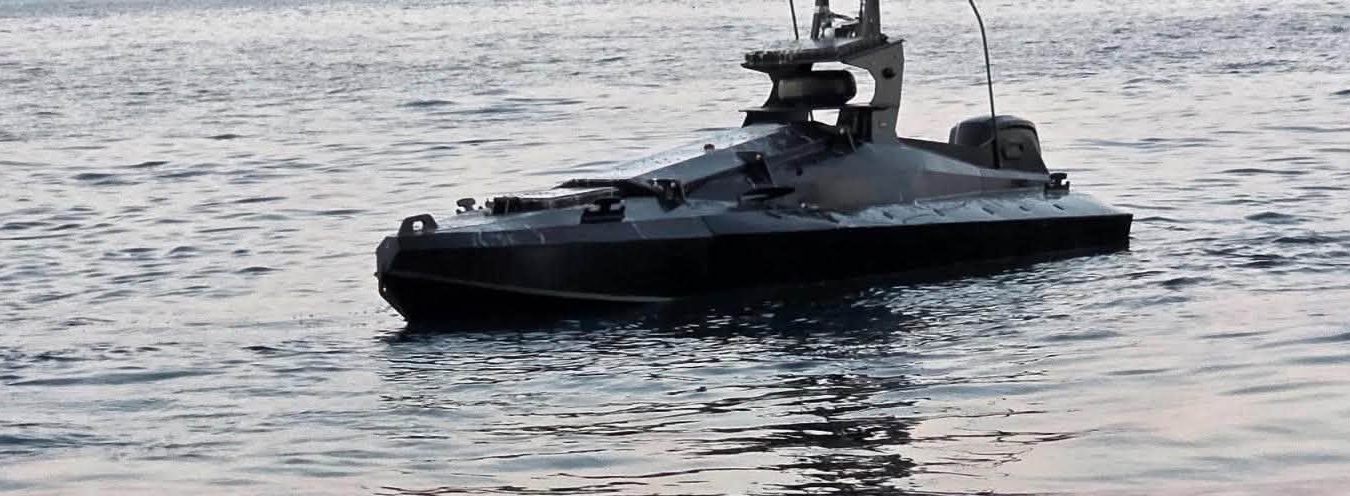
Romanian military forces successfully intercepted and destroyed an unidentified maritime drone near the strategically vital Neptun Deep gas project in the Black Sea, according to official statements released by Romanian authorities. The country’s Defense Minister confirmed that the neutralized unmanned vessel did not belong to Ukraine, raising questions about its origin and intended purpose in the sensitive waters near one of Europe’s most significant energy infrastructure developments.
The incident highlights the growing security concerns surrounding critical energy installations in the Black Sea region, which has become increasingly militarized since Russia’s full-scale invasion of Ukraine in February 2022. Romanian fighter jets were scrambled to intercept the threat, demonstrating the NATO member’s commitment to protecting its offshore assets and maintaining sovereignty over its exclusive economic zone.
The Strategic Importance of Neptun Deep
The Neptun Deep project represents Romania’s most ambitious offshore energy endeavor and is considered one of the largest natural gas discoveries in the European Union in recent decades. Located approximately 160 kilometers off Romania’s Black Sea coast, the deepwater field contains estimated reserves of between 42 and 84 billion cubic meters of natural gas. The project is operated by OMV Petrom, Romania’s largest oil and gas company, in partnership with Romgaz, the state-controlled natural gas producer.
Development of the Neptun Deep field has taken on heightened geopolitical significance as European nations scramble to diversify their energy supplies following Russia’s weaponization of natural gas exports. The project is expected to begin production in 2027, potentially supplying up to 8 billion cubic meters of gas annually at peak output—enough to meet approximately half of Romania’s domestic consumption while providing export capacity to neighboring countries seeking alternatives to Russian energy.
Rising Maritime Drone Threats in the Black Sea
The Black Sea has witnessed a dramatic proliferation of unmanned maritime systems since the outbreak of the Russia-Ukraine conflict. Both Ukrainian and Russian forces have deployed sea drones for various military purposes, including reconnaissance, mine-laying, and direct attacks on naval vessels. Ukraine has achieved notable success using domestically produced maritime drones against Russian Black Sea Fleet assets, fundamentally changing the nature of naval warfare in the region.
Romania, as a NATO frontline state bordering the Black Sea, has significantly enhanced its maritime surveillance and defense capabilities in response to these evolving threats. The country has invested in advanced radar systems, increased naval patrols, and coordinated closely with Allied forces to monitor suspicious activity in its waters. The swift interception of the unidentified drone demonstrates the effectiveness of these enhanced security measures.
International Response and Security Implications
The incident is likely to prompt further discussions within NATO about collective defense arrangements in the Black Sea region. Romania has consistently called for increased Allied presence and investment in regional security infrastructure, arguing that the strategic waterway represents a critical vulnerability for the Western alliance. The presence of unidentified drones near vital energy infrastructure underscores the complex security environment that NATO members must navigate.
Defense analysts suggest that such incidents may become more frequent as unmanned technologies become more accessible and sophisticated. The Romanian military’s response sets an important precedent for how NATO members might handle similar threats to critical infrastructure. Authorities have not disclosed additional details about the drone’s design, capabilities, or suspected origin, citing ongoing investigation and operational security concerns.
As European nations continue to develop offshore energy resources in the Black Sea, protecting these installations from emerging asymmetric threats will remain a priority. Romania’s decisive action sends a clear message that it will defend its sovereign waters and strategic assets against any unauthorized intrusions, regardless of their source.
Expert Opinion: This incident represents a watershed moment in Black Sea security dynamics, demonstrating that unmanned maritime threats now pose credible risks to civilian energy infrastructure, not just military targets. As deepwater energy projects like Neptun Deep become operational, we should expect NATO to establish permanent drone defense corridors and rapid-response protocols specifically designed to protect these critical assets from the increasingly sophisticated unmanned systems proliferating in the region.