The dark fantasy genre continues to surge in popularity across anime, manga, and light novels, captivating audiences with its unflinching exploration of morality, violence, and human nature at its most extreme. Among the recent wave of adaptations making waves in the industry, ‘Sentenced to Be a Hero: Prison Records of the 9004th Penal Hero Unit’ (Yuusha-kei ni Shosu: Choubatsu Yuusha 9004-tai Keimu Kiroku) has managed to distinguish itself through its grim setting, morally flawed characters, and striking visual design that pushes the boundaries of conventional hero narratives.
In a recent interview, the creative minds behind this compelling series—both the original author and the talented illustrator—shared insights into their creative process, thematic inspirations, and what drives them to craft such psychologically complex narratives. Their collaboration has resulted in a work that challenges traditional notions of heroism while delivering visceral action and emotional depth that resonates with contemporary audiences seeking more mature storytelling.
The Evolution of Dark Fantasy in Japanese Media
Dark fantasy has experienced a remarkable transformation over the past two decades in Japanese media. While the genre has roots stretching back to classic works like ‘Berserk’ by Kentaro Miura, which began serialization in 1989, the modern wave of dark fantasy has embraced even more nuanced approaches to morality and character development. The success of series like ‘Attack on Titan,’ ‘Goblin Slayer,’ and ‘Chainsaw Man’ has demonstrated that audiences are increasingly drawn to narratives that refuse to shy away from violence, trauma, and moral ambiguity.
‘Sentenced to Be a Hero’ fits squarely within this tradition while carving its own unique niche. The series centers on a penal unit of heroes—individuals who have been condemned for their crimes yet are forced to fight against demonic threats as a form of punishment. This premise immediately subverts the typical hero narrative, presenting protagonists who are neither purely good nor seeking redemption in any conventional sense. The author explained that this concept emerged from a desire to explore what happens when society’s outcasts are thrust into roles traditionally reserved for the virtuous.
Crafting Morally Complex Characters
One of the most striking aspects of the series is its commitment to presenting genuinely flawed characters. Unlike many contemporary works that feature antiheroes who ultimately reveal hearts of gold, ‘Sentenced to Be a Hero’ maintains the moral complexity of its cast throughout. The author revealed that extensive research into criminal psychology and historical penal systems informed the character development process. Each member of the 9004th unit carries genuine darkness—past crimes that cannot be easily forgiven or explained away by tragic backstories alone.
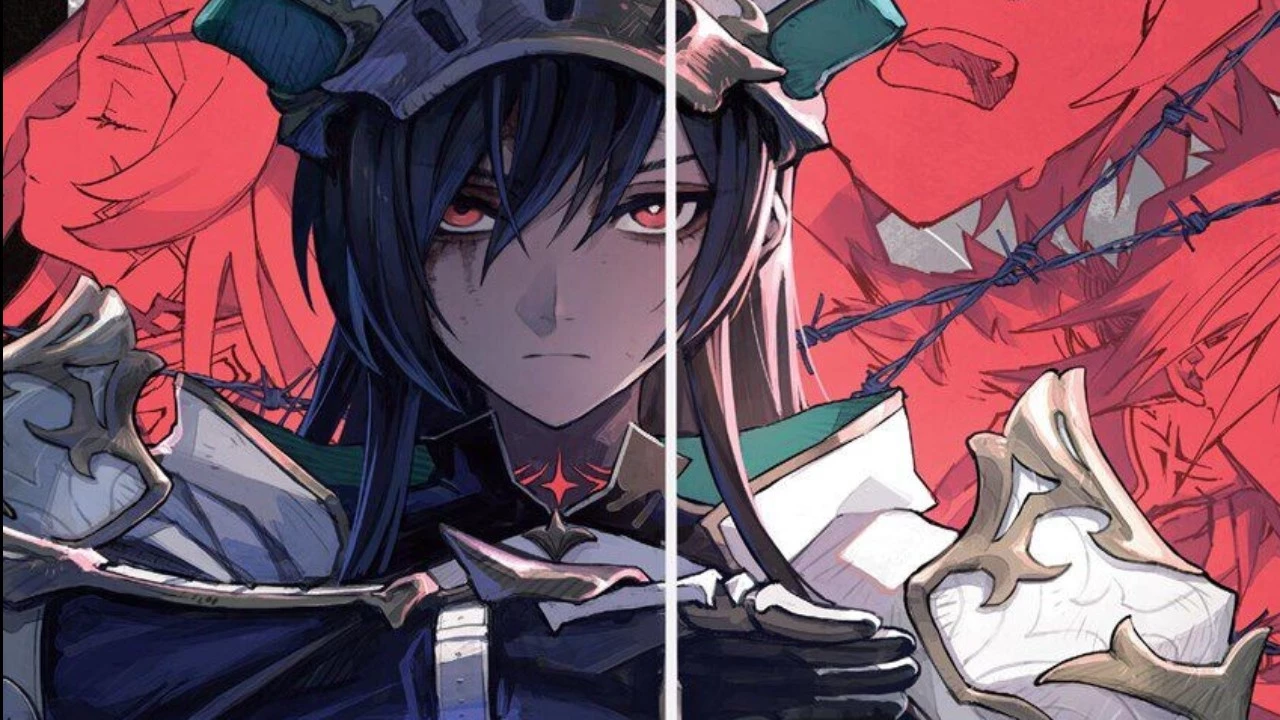
The illustrator’s contribution to bringing these characters to life cannot be overstated. Character design in dark fantasy requires a delicate balance between making characters visually appealing and conveying their damaged nature. The designs in ‘Sentenced to Be a Hero’ accomplish this through subtle details—scarred flesh, haunted eyes, and body language that speaks to trauma and violence. The illustrator mentioned drawing inspiration from classical European art depicting martyrs and sinners, blending religious iconography with contemporary anime aesthetics to create something distinctly unsettling yet beautiful.
Visual Storytelling and Atmospheric Design
The world-building in ‘Sentenced to Be a Hero’ extends beyond narrative to encompass a fully realized visual atmosphere that enhances every scene. The illustrator described the setting as a place where civilization exists on the precipice of collapse, with architecture, landscapes, and even color palettes chosen to reinforce themes of decay and desperation. This attention to environmental storytelling has become increasingly important in modern fantasy works, as audiences have grown more sophisticated in their expectations.
The collaboration between author and illustrator appears to be one of genuine creative partnership. Both creators emphasized the importance of constant communication, with the author providing detailed descriptions of scenes and emotional beats while remaining open to the illustrator’s interpretations. This dynamic has allowed for moments where visual elements actually influenced narrative decisions, creating a more cohesive final product than works where text and image remain more separate concerns.
As dark fantasy continues to evolve and attract new audiences, works like ‘Sentenced to Be a Hero’ represent the genre’s potential for meaningful storytelling that goes beyond shock value. By combining thoughtful character work, striking visuals, and unflinching examination of human darkness, the series stands as a testament to what creative collaboration can achieve when both parties are committed to pushing boundaries while maintaining artistic integrity.
Expert Opinion: The continued success of morally complex dark fantasy narratives signals a significant shift in audience expectations, particularly among younger demographics who increasingly reject simplistic good-versus-evil frameworks. Works like ‘Sentenced to Be a Hero’ suggest that the future of the genre lies not in escalating violence for its own sake, but in deeper psychological exploration of what drives individuals to both heroism and villainy—often finding these impulses coexisting within the same characters.