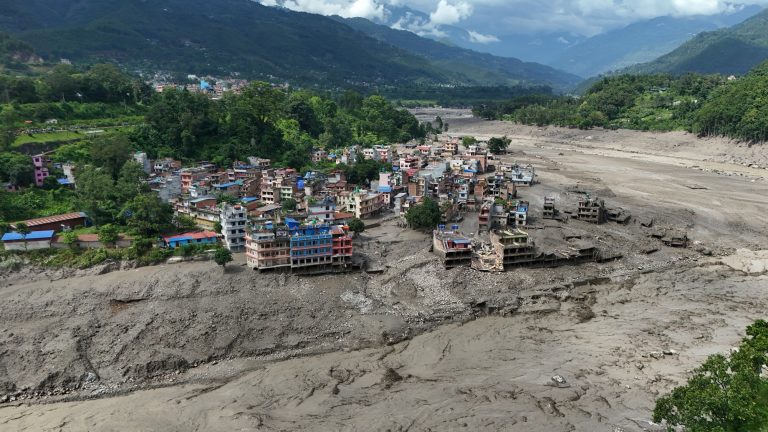
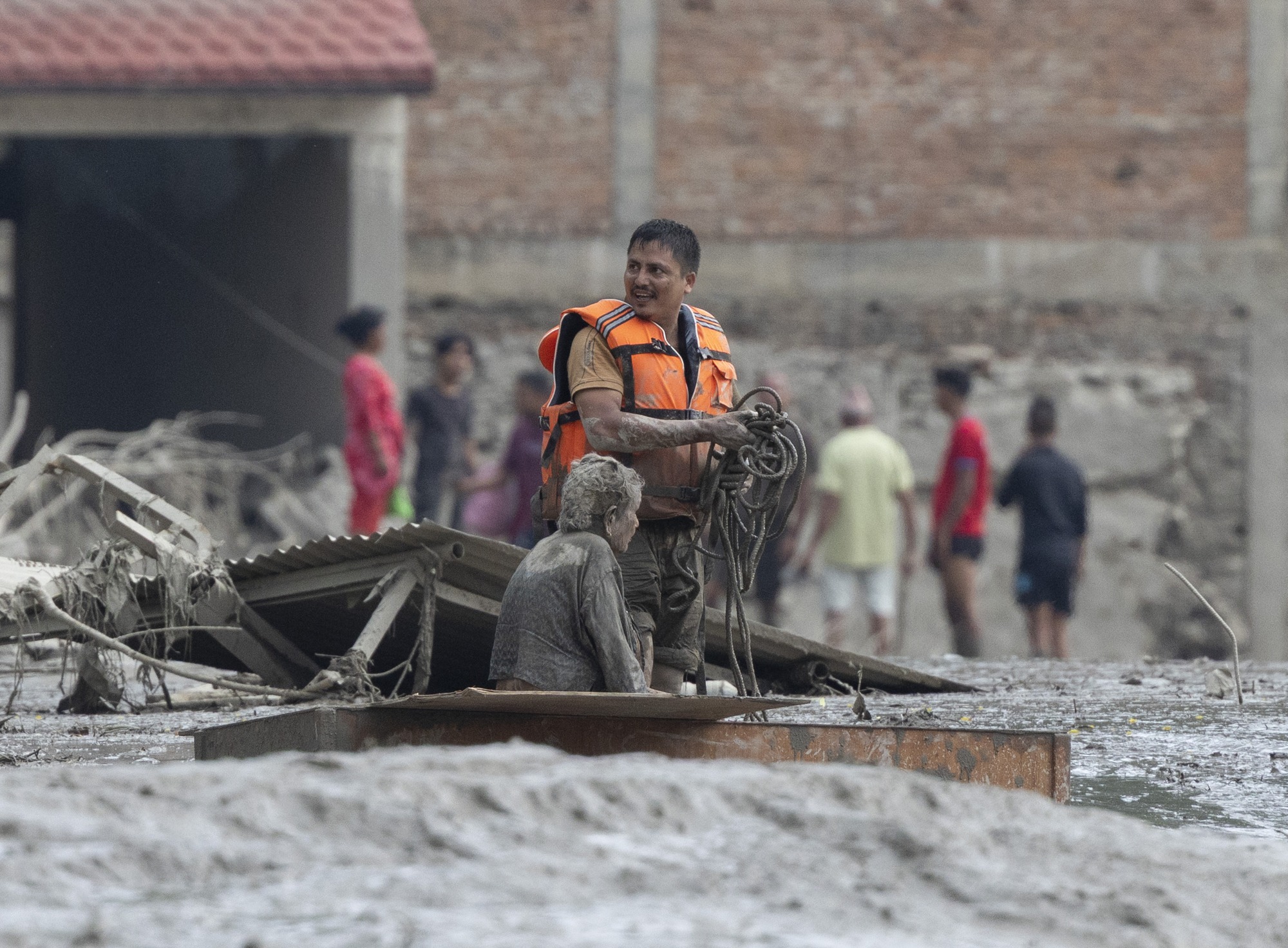
A catastrophic natural disaster along the border between Nepal and China’s Tibet Autonomous Region has left hundreds of foreign nationals unaccounted for, sparking an international search and rescue operation that continues to intensify. The devastating floods, triggered by glacial lake outbursts and unprecedented monsoon rainfall, have overwhelmed local emergency services and prompted urgent appeals for international assistance. Among the missing are tourists, trekkers, and pilgrimage groups from multiple countries who were visiting the scenic Himalayan region during what is typically peak travel season.
The situation remains particularly dire for 55 Ukrainian citizens whose whereabouts are currently unknown, according to statements from Ukrainian diplomatic officials. The Ukrainian Ministry of Foreign Affairs has established an emergency hotline and is coordinating closely with both Nepali and Chinese authorities to locate their nationals. Family members anxiously await any news as rescue teams battle difficult terrain and continuing adverse weather conditions that are hampering search efforts across the affected region.
Scale of the Disaster and International Response
The floods have affected a vast swath of territory spanning both sides of the Nepal-China border, an area known for its dramatic mountain landscapes and popular trekking routes. Emergency responders report that entire villages have been swept away, with bridges destroyed and roads rendered impassable. The disaster struck during the autumn trekking season, when thousands of international visitors typically explore routes leading to Mount Everest base camp and other iconic Himalayan destinations. Local authorities estimate that the death toll could rise significantly as search teams reach previously inaccessible areas.
Nepal has a long history of vulnerability to glacial lake outburst floods, known as GLOFs, which occur when natural dams containing glacial lakes suddenly fail. Climate scientists have warned for years that rising global temperatures are accelerating glacial melt in the Himalayas, creating increasingly dangerous conditions. The region contains over 2,000 glacial lakes, many of which are growing at alarming rates as glaciers retreat. This latest disaster underscores the urgent need for improved early warning systems and climate adaptation measures in high-altitude communities that remain particularly vulnerable to such events.
Challenges Facing Search and Rescue Operations
Search and rescue teams face extraordinary challenges in their efforts to locate the missing. The rugged Himalayan terrain, with its steep valleys and remote settlements, makes access extremely difficult even under normal circumstances. Continuing rainfall and the threat of additional landslides have forced rescue workers to repeatedly halt operations for safety reasons. Helicopters, which provide the only rapid access to many affected areas, have been grounded for extended periods due to poor visibility and dangerous flying conditions. Despite these obstacles, Nepali army units, local police, and international rescue teams remain committed to finding survivors.
The Chinese government has deployed significant resources to the Tibet Autonomous Region side of the border, where infrastructure damage has also been severe. Communication networks in many affected areas remain down, making it impossible to contact people who may have survived the initial floods but are now stranded. International relief organizations, including the Red Cross and various United Nations agencies, have begun mobilizing support for what officials describe as one of the most challenging natural disasters in the region in recent years. The international community has pledged financial and technical assistance to support both immediate rescue operations and longer-term recovery efforts.
Diplomatic Efforts and Family Concerns
Embassies from multiple countries have established crisis centers to assist families seeking information about missing loved ones. The Ukrainian embassy in Kathmandu has been particularly active, deploying consular staff to affected areas and maintaining constant communication with rescue coordinators. Ukrainian officials report that the missing nationals include both organized tour groups and independent travelers, complicating efforts to establish their precise locations at the time of the disaster. The Foreign Ministry in Kyiv has urged any Ukrainians in the region who are safe to contact authorities immediately to help narrow the search parameters.
Local Nepali officials have called for patience as they work through the massive logistical challenges of accounting for both residents and visitors across the affected zone. The tourism industry, which represents a crucial component of Nepal’s economy, now faces difficult questions about safety protocols and emergency preparedness. As the search continues, communities on both sides of the border are coming together to support rescue efforts, with local volunteers joining professional teams in the desperate race against time to find survivors before harsh mountain conditions make rescue impossible.
Expert Opinion: This disaster exemplifies the growing intersection between climate change and humanitarian crisis in high-altitude regions worldwide. Experts anticipate that glacial lake outburst floods will become more frequent and more severe as global temperatures continue to rise, necessitating substantial investment in early warning systems and international coordination protocols for cross-border disasters. The coming weeks will be critical not only for rescue operations but also for reassessing how vulnerable Himalayan communities can better prepare for an increasingly unstable climate future.