
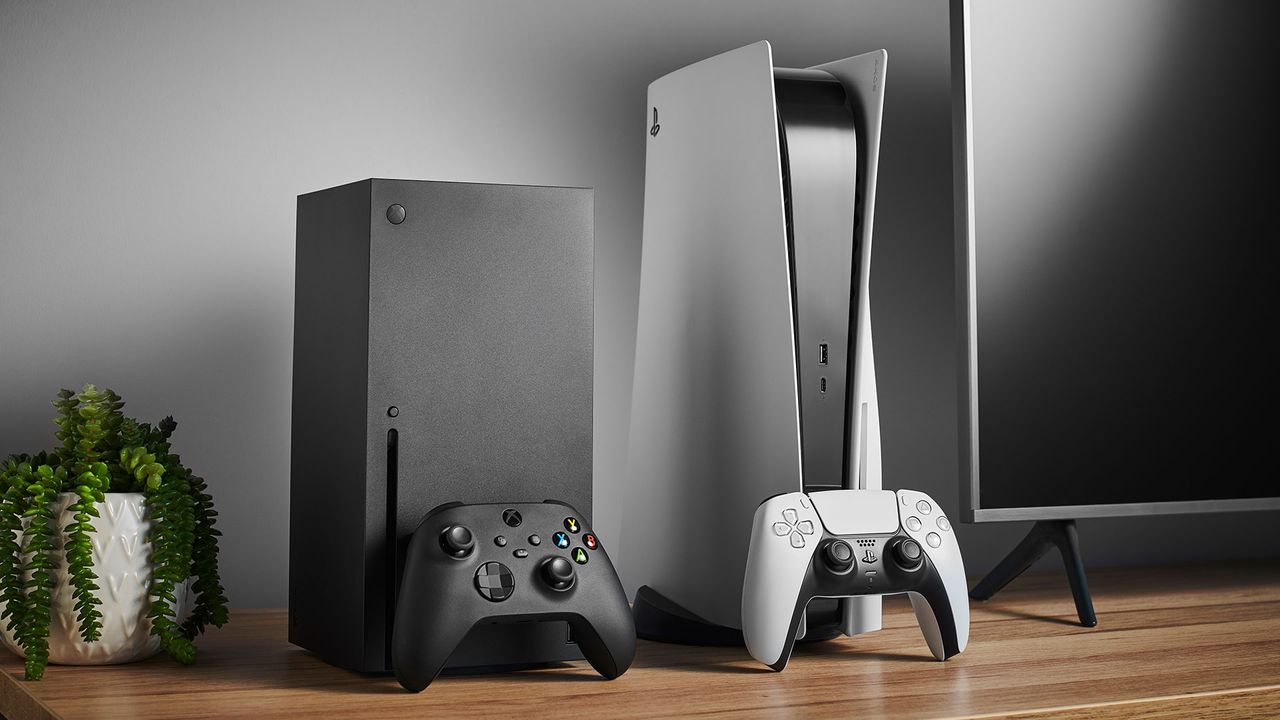
The gaming industry finds itself at a crossroads as mounting production costs, component shortages, and international trade tensions threaten to reshape the console market as we know it. Despite these formidable headwinds, Unity Technologies CEO Matthew Bromberg maintains an optimistic outlook, predicting that current cost pressures are temporary and that the best years of console gaming still lie ahead. His comments come at a time when all three major console manufacturers have raised prices significantly, leaving consumers and industry analysts questioning the future sustainability of traditional gaming hardware.
Bromberg’s perspective carries particular weight given his position at the helm of one of the world’s most widely used game engines. Unity powers an estimated 50% of all mobile games and a significant portion of indie and mid-tier console titles, giving the company unique visibility into industry trends and developer sentiment. However, skeptics might note that as CEO of a publicly traded company deeply invested in gaming’s success, Bromberg has considerable incentive to project confidence even during turbulent times.
The Perfect Storm Facing Console Manufacturers
The current challenges facing Nintendo, PlayStation, and Xbox represent an unprecedented convergence of economic and technological pressures. RAM shortages have become particularly acute as artificial intelligence data centers compete aggressively for the same memory components that power gaming consoles. This competition has driven up prices across the semiconductor supply chain, with DRAM and NAND flash memory costs increasing substantially over the past eighteen months. The explosive growth of AI applications, from large language models to image generation systems, has created insatiable demand for high-bandwidth memory that shows no signs of abating.
Compounding these supply issues are the ongoing trade tensions, particularly tariffs implemented by the Trump Administration targeting Chinese-manufactured goods and components. Since gaming hardware relies heavily on global supply chains with significant manufacturing presence in Asia, these tariffs have added additional cost burdens that manufacturers must either absorb or pass along to consumers. Both Sony and Microsoft have raised console prices multiple times in the past year, with the PlayStation 5 seeing price increases in numerous markets worldwide. Nintendo’s recently launched Switch 2 also debuted at a higher price point than its predecessor, reflecting these industry-wide pressures.
The Digital Future and Physical Media’s Decline
Perhaps the most dramatic indicator of industry transformation came with PlayStation’s announcement that it will cease production of physical game discs by 2028, entering the next console generation as a digital-only platform. This decision likely reflects multiple factors beyond simple cost considerations, including changing consumer preferences, reduced retail shelf space for physical media, and the logistical advantages of digital distribution. However, the timing of this announcement amid hardware cost pressures suggests that eliminating disc drives and physical media production costs played a significant role in the strategic calculus.
The shift to digital-only distribution has profound implications for game preservation, consumer ownership rights, and the secondary market for used games. Critics argue that digital-only consoles leave consumers vulnerable to platform holder decisions about game availability, as demonstrated by numerous instances of games being delisted from digital storefronts. Nevertheless, the trend toward digital appears irreversible, with physical game sales declining year-over-year across all platforms as broadband internet access expands globally.
GTA 6 and the Promise of Blockbuster Entertainment
When discussing the console market’s resilience, Bromberg pointed specifically to the upcoming release of Grand Theft Auto 6 as evidence that premium console entertainment remains viable. “That doesn’t mean that great console entertainment isn’t going to be consumed in massive quantities, and we’ll see that with GTA,” he told The Game Business. Rockstar Games’ highly anticipated sequel represents the most expensive video game ever produced, with development costs reportedly exceeding one billion dollars. The game’s eventual release is expected to drive significant hardware sales and could single-handedly validate the console business model for years to come.
However, concerns persist about demographic shifts within the gaming audience. Industry data suggests that younger generations are gravitating toward mobile gaming and free-to-play titles rather than investing in expensive console hardware. Bromberg acknowledged this challenge but expressed confidence that compelling content would eventually attract younger consumers. “The platform is vibrant,” he maintained, predicting that “the industry will make games that will attract younger consumers over time.”
Looking Ahead: Renaissance or Reckoning?
Perhaps most striking were Bromberg’s assertions about the future quality of gaming experiences. “There will be better, more engaging games built over the next ten years than were ever built over the prior ten,” he declared, urging observers to anticipate unprecedented levels of player engagement and immersion. These predictions align with technological advances in areas like artificial intelligence-driven game design, procedural content generation, and immersive technologies such as virtual and augmented reality.
Yet the industry faces a potential reckoning if hardware costs continue their upward trajectory. Analysts have warned that if next-generation consoles like the PlayStation 6 and Xbox Project Helix launch at price points approaching $1,000, five-year sales could decline by as much as 40% compared to the current generation. Such a scenario would fundamentally alter the economics of console gaming, potentially pushing the industry further toward subscription services and cloud gaming alternatives. Whether Bromberg’s optimism proves prescient or premature may ultimately depend on factors beyond any single company’s control, including global supply chain stability, trade policy decisions, and the pace of technological innovation in semiconductor manufacturing.
Expert Opinion: The console gaming industry appears to be entering a transitional phase where traditional hardware economics are being challenged by unprecedented external pressures. While Unity’s CEO offers encouraging projections, the convergence of AI-driven component competition, trade uncertainties, and shifting demographics suggests the industry may need to fundamentally reimagine its business model within the next decade. The true test will come when next-generation consoles launch—if manufacturers can deliver compelling experiences at accessible price points, the market may indeed thrive as predicted; if not, cloud gaming and mobile platforms could accelerate their capture of the core gaming audience.