The world’s major grain-producing nations are facing an unprecedented convergence of challenges that threatens to reshape global food markets and push wheat prices significantly higher. A combination of shrinking harvests, the ongoing conflict in Ukraine, and escalating trade route disruptions has created a perfect storm for agricultural commodities, raising concerns about food security in import-dependent regions across the globe. Industry analysts warn that the coming months could see substantial volatility in grain markets as these interconnected crises continue to unfold.
War in Ukraine Disrupts Critical Supply Chains
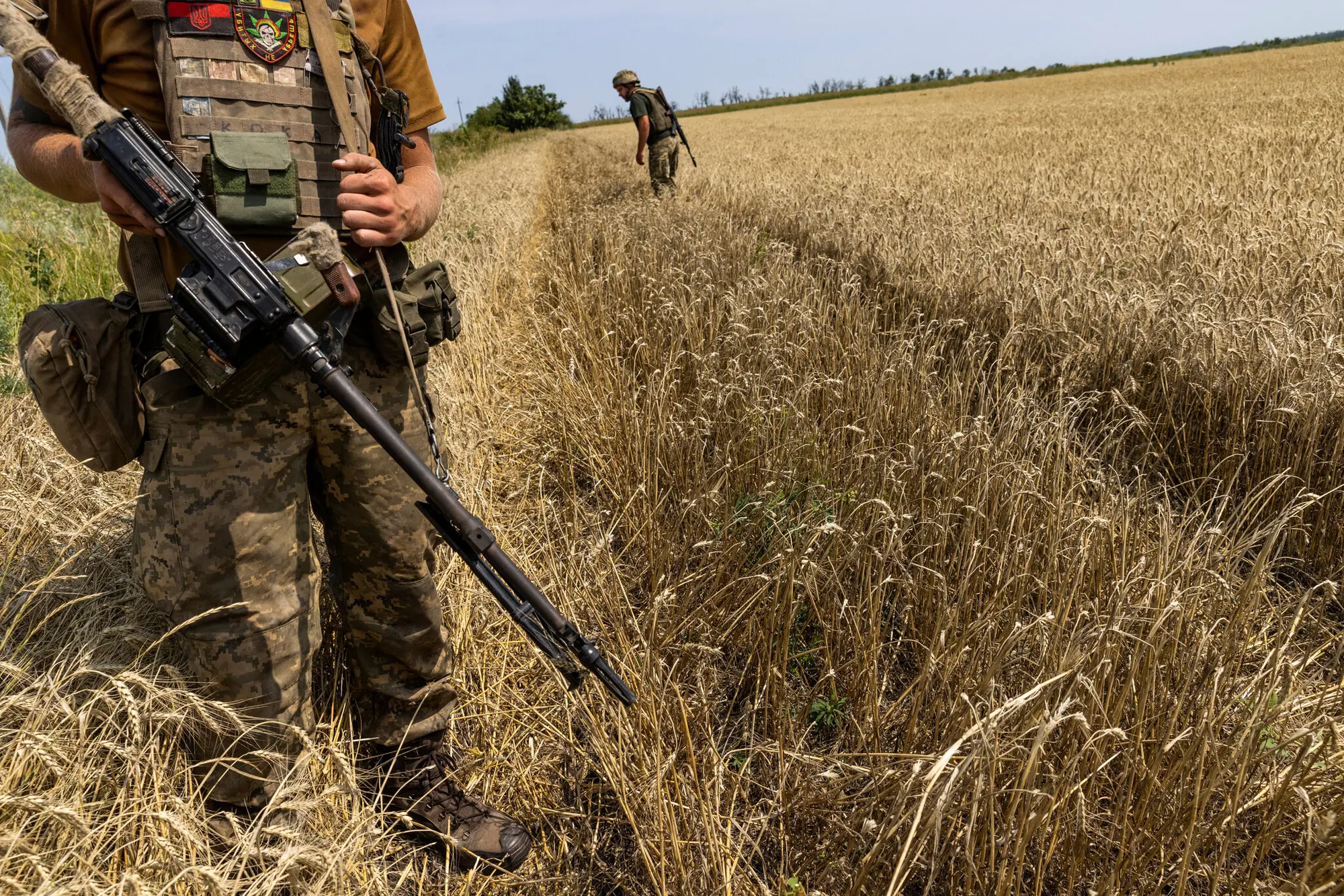
The prolonged conflict in Ukraine, now entering its fourth year, continues to cast a long shadow over global grain markets. Before the war, Ukraine was known as the “breadbasket of Europe,” ranking among the world’s top five wheat exporters and supplying critical food commodities to nations across Africa, the Middle East, and Asia. The country’s agricultural sector has been severely impacted by the ongoing hostilities, with farmland rendered inaccessible due to mining, infrastructure damage limiting transportation capabilities, and labor shortages affecting planting and harvesting operations. The Black Sea Grain Initiative, which had previously provided a crucial corridor for Ukrainian exports, has experienced repeated disruptions, leaving many importing nations scrambling for alternative sources.
Russia, despite being the world’s largest wheat exporter, has also seen its trade relationships complicated by international sanctions and payment difficulties. While Moscow has managed to maintain substantial export volumes, the geopolitical tensions have created uncertainty in shipping routes and insurance markets. Countries that traditionally relied on Black Sea grain have been forced to diversify their supply chains, often at significantly higher costs. This restructuring of global trade patterns has added logistical complexity and price premiums that ultimately reach consumers in the form of higher food costs.
Severe Weather Patterns Devastate Major Producing Regions
Beyond the geopolitical challenges, Mother Nature has dealt a harsh blow to grain producers worldwide. Extended drought conditions have severely impacted harvests across multiple continents, with Australia, Argentina, and parts of the United States reporting significantly reduced yields. Climate scientists point to increasingly erratic weather patterns as a growing threat to agricultural stability, with traditional growing regions experiencing unprecedented temperature extremes and altered precipitation patterns. The phenomenon of La Niña has contributed to dry conditions in South America, while heat waves have stressed crops in the Northern Hemisphere during critical growth periods.
In the European Union, farmers have struggled with alternating periods of drought and excessive rainfall, complicating both planting schedules and harvest quality. France, typically one of Europe’s leading wheat producers, has reported below-average yields in recent seasons due to unfavorable weather conditions. Meanwhile, Canada’s prairie provinces have experienced their own climate-related challenges, affecting both the quantity and quality of wheat production. These simultaneous supply constraints across multiple major producing regions have eliminated the buffer stocks that traditionally help stabilize global markets during regional shortfalls.
Trade Disputes Add Further Uncertainty
Compounding these supply-side pressures, escalating trade disputes between major economies have introduced additional uncertainty into global grain markets. Tariff threats and retaliatory measures have disrupted established trading relationships, forcing exporters to seek new markets while importers face higher costs and supply uncertainty. The broader trend toward economic nationalism and protectionist policies has made long-term planning increasingly difficult for agricultural traders and food companies alike. Export restrictions implemented by some nations seeking to protect domestic food supplies have further fragmented global markets and reduced overall efficiency.
Industry experts suggest that the current situation could persist well into the next growing season, with prices likely to remain elevated compared to historical averages. The Food and Agriculture Organization of the United Nations has expressed concern about the impact on vulnerable populations in food-importing developing countries, where higher grain prices can consume a disproportionate share of household budgets. International organizations are calling for greater cooperation to ensure food security and prevent the worst outcomes of these combined crises. Market participants are closely monitoring weather forecasts, diplomatic developments, and trade negotiations for any signs of relief from the current pressures.
Expert Opinion: The convergence of geopolitical conflict, climate disruption, and trade fragmentation represents a structural shift in global grain markets rather than a temporary aberration. We anticipate wheat prices could increase by 15-25% over the next six months if current conditions persist, with developing nations bearing the heaviest burden. Long-term food security will increasingly depend on diversified supply chains, climate-resilient agricultural practices, and renewed international cooperation on trade.