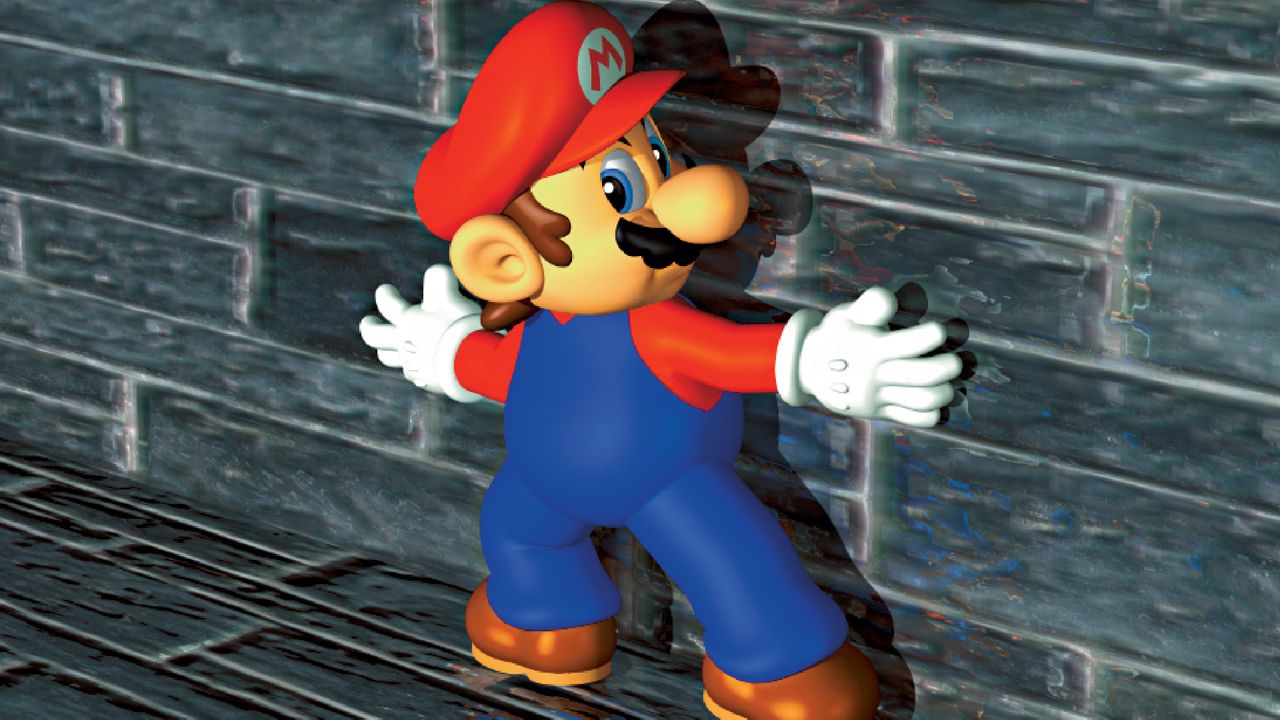
Shigeru Miyamoto stands as perhaps the most influential video game developer in history, having created iconic franchises that have shaped the entire gaming industry. Yet despite his legendary status, the Nintendo visionary has never been particularly interested in measuring himself against other game developers. In a fascinating 1996 interview with fellow developer Kenji Eno, recently translated by Shmuplations, Miyamoto revealed his unconventional creative philosophy and his surprising choice of rival: not another game designer, but the humble Rubik’s Cube.
“Since my background is originally in industrial design, I view the Rubik’s Cube as my eternal rival,” Miyamoto explained during the conversation. This statement encapsulates his approach to game development – focusing on creating universally appealing experiences that transcend the gaming medium rather than competing within established industry paradigms. The Rubik’s Cube, invented by Hungarian architect Ernő Rubik in 1974, became a global phenomenon precisely because it appealed to people regardless of their gaming experience, selling over 450 million units worldwide and becoming a symbol of accessible yet challenging entertainment.
A Philosophy Rooted in Industrial Design
Miyamoto’s background in industrial design at Kanazawa College of Art fundamentally shaped his approach to video games. Unlike many developers who came from programming or traditional game design backgrounds, Miyamoto viewed games as products that needed to appeal to a broad audience. “There’s a kind of product that’s very important to me,” he stated in the interview. “It’s not stuff made by veteran craftsmen who have spent years building computer games specifically for gamers, but rather things that make people realize, ‘Wow, computer games can do that…?!'” This philosophy would prove revolutionary, leading to innovations like the motion controls of the Wii and the portable hybrid concept of the Nintendo Switch.
During the mid-1990s, when this interview took place, the gaming industry was in the midst of fierce competition. The Nintendo 64 was battling against Sony’s PlayStation and Sega’s Saturn for market dominance. Games like Super Mario 64, which had just been released, and the upcoming Legend of Zelda: Ocarina of Time were driving Nintendo’s competitive efforts. Yet even amid this console war, Miyamoto maintained his focus on innovation over competition, seeking to surprise and delight rather than simply outperform rivals.
Challenging the Industry’s Direction
The interview also touched on concerns about the gaming industry’s trajectory. Developer Kenji Eno, known for creating the unconventional horror adventure game D, expressed worry about “a real danger that games were becoming too niche and catering only to maniacs.” This observation proved prescient, as the industry would continue grappling with the tension between serving hardcore audiences and attracting new players. Miyamoto shared these concerns, noting, “Making products that surprise non-gamers, that is our big challenge.”
Miyamoto was characteristically self-aware about Nintendo’s reliance on established franchises. “When people point out that we do nothing but make sequels, they’re entirely right,” he admitted with a laugh. However, he expressed hope for the future: “I want to hurry up and reach a point where we can leave the franchise titles to the younger staff, while the older folks just do whatever they feel like.” This prediction would largely come true, with Eiji Aonuma taking over the Zelda series and developers like Yoshiaki Koizumi leading Mario projects, while Miyamoto pursued passion projects like Pikmin and Wii Music.
A Legacy of Innovation Over Competition
Miyamoto also critiqued the industry’s migration toward role-playing games, noting that veteran developers had largely abandoned action games for RPGs. “For our part, we don’t want to just cater to hardcore gamers; we want to capture new customers every single time,” he emphasized. This customer-first mentality would define Nintendo’s strategy for decades, from the family-friendly Wii to the accessible Nintendo Switch, both of which prioritized broad appeal over raw technical specifications.
Today, Miyamoto’s influence extends beyond video games entirely. Now in his early seventies, he has become the face of Nintendo’s expanding entertainment empire, overseeing projects like The Super Mario Bros. Movie, which grossed over $1.3 billion worldwide in 2023. His transition from game designer to multimedia producer represents the natural evolution of his philosophy – creating experiences that surprise and delight audiences far beyond the traditional gaming demographic, much like that eternal rival, the Rubik’s Cube, continues to captivate people around the world nearly fifty years after its invention.
Expert Opinion: Miyamoto’s philosophy of competing with universal toys rather than other game developers explains Nintendo’s consistent ability to survive and thrive despite never having the most powerful hardware. This approach suggests Nintendo will continue prioritizing innovative gameplay concepts and broad accessibility over technical specifications, potentially positioning the company to lead in emerging entertainment sectors including interactive films and theme park experiences.