
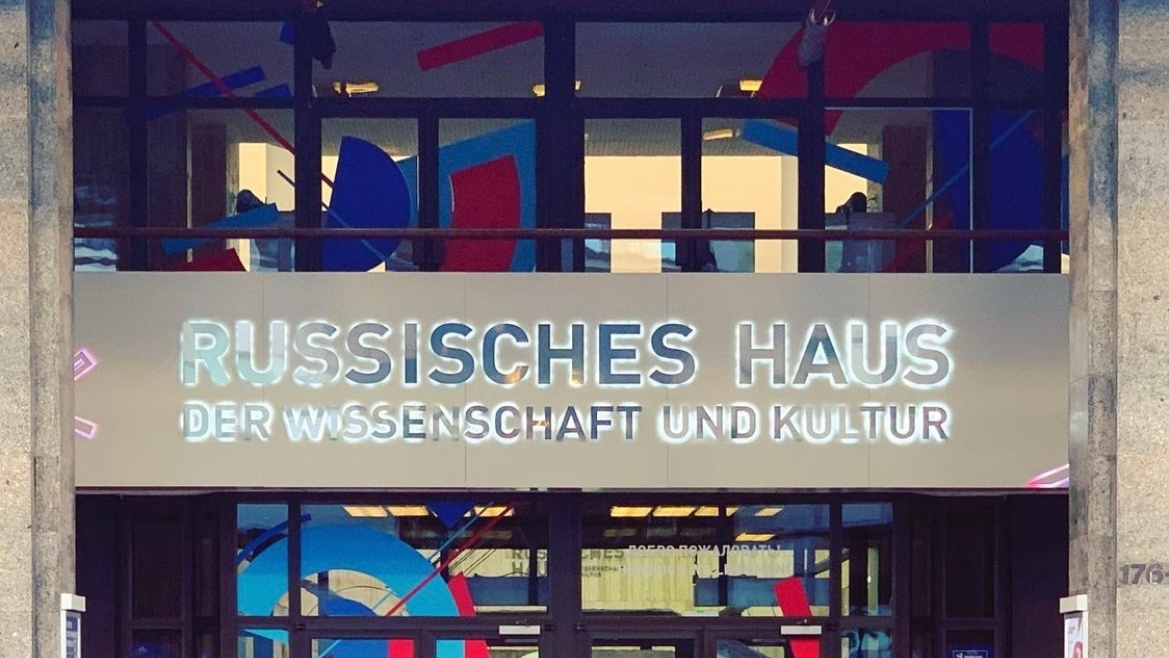
German authorities are actively considering the closure of the Russian House cultural center in Berlin as a potential response to a recent drone incident at Leipzig Airport, according to a report by Der Spiegel. The move would mark a significant escalation in diplomatic tensions between Berlin and Moscow, reflecting the deteriorating relationship between the two nations since Russia’s full-scale invasion of Ukraine in February 2022. The Russian House, which has operated in Germany for decades as a center for Russian cultural diplomacy, may soon lose its protected status as officials explore ways to respond to what they perceive as hostile Russian activities on German soil.
The Drone Incident That Sparked the Response
The specific drone incident at Leipzig Airport that prompted this consideration has raised serious concerns among German security officials. While details remain classified, the incident is believed to be part of a broader pattern of suspicious activities that German intelligence agencies have attributed to Russian operatives. Leipzig-Halle Airport serves as a major cargo hub and has significant strategic importance, making any security breach particularly alarming. German authorities have been increasingly vigilant about potential sabotage operations and reconnaissance activities following multiple similar incidents across Europe, including suspected Russian involvement in warehouse fires, infrastructure disruptions, and cyber attacks targeting NATO member states.
Security experts note that drone incidents near critical infrastructure have become a growing concern across Western Europe. In recent months, unexplained drone sightings have been reported near military installations, energy facilities, and airports in Germany, Sweden, Norway, and the United Kingdom. Intelligence officials from multiple countries have suggested these activities may be part of coordinated Russian reconnaissance operations, though Moscow has consistently denied any involvement in such incidents.
The Russian House: A Center of Cultural Diplomacy Under Scrutiny
The Russian House in Berlin, officially known as the Russian House of Science and Culture, has been a fixture of Russian soft power in Germany since the Soviet era. Located in the Friedrichshain district, the institution has historically served as a venue for cultural events, language courses, film screenings, and exhibitions promoting Russian culture and bilateral relations. However, since the invasion of Ukraine, the center has come under intense scrutiny from German authorities who suspect it may serve purposes beyond cultural exchange. Western intelligence agencies have long monitored such Russian cultural institutions, which they believe sometimes provide cover for intelligence activities and influence operations.
The potential closure would represent a dramatic shift in German policy. For years, the Russian House enjoyed what observers described as a “sacred” or untouchable status, protected by diplomatic conventions and Germany’s traditional commitment to maintaining cultural bridges even during periods of political tension. This approach reflected Germany’s post-World War II foreign policy philosophy of “Wandel durch Handel” (change through trade) and engagement, which long defined Berlin’s approach to Moscow. However, the events of recent years have fundamentally altered this calculus, with German officials now viewing such institutions through a more skeptical lens.
Broader Context of Deteriorating German-Russian Relations
The consideration of closing the Russian House comes amid a broader deterioration of German-Russian relations that would have been unthinkable just a few years ago. Germany has undergone what Chancellor Olaf Scholz famously called a “Zeitenwende” or turning point in its foreign and security policy following Russia’s invasion of Ukraine. Berlin has dramatically increased defense spending, committed substantial military and financial aid to Ukraine, and supported multiple rounds of European Union sanctions against Russia. The Nord Stream pipeline sabotage in September 2022, which destroyed critical energy infrastructure connecting Russia and Germany, further poisoned relations, with investigations ongoing and mutual accusations between the two countries.
Germany has already expelled numerous Russian diplomats since 2022, accusing them of espionage activities. The Federal Office for the Protection of the Constitution, Germany’s domestic intelligence agency, has repeatedly warned about increased Russian intelligence activities on German soil. Closing the Russian House would fit into this pattern of reducing Russian presence and influence in Germany, though it would also eliminate one of the remaining forums for any form of cultural exchange between the two nations. Critics of the potential closure argue that maintaining some channels of communication remains important, while supporters contend that such institutions have lost their original purpose and now primarily serve Russian state interests.
Expert Opinion: The potential closure of the Russian House represents a significant symbolic rupture in German-Russian relations that extends far beyond the immediate security concerns. This decision signals that Berlin is no longer willing to maintain the traditional separation between cultural diplomacy and geopolitical conflict, suggesting that similar actions against Russian cultural institutions across Europe may follow. The move could accelerate the complete decoupling of Russian soft power infrastructure from Western Europe, marking the definitive end of the post-Cold War engagement era.