In a move that has reignited tensions in one of Asia’s most enduring territorial disputes, Russia’s Pacific Fleet conducted military exercises simulating strikes against naval vessels in waters near the contested Kuril Islands. The drills, which Moscow described as routine training activities, have drawn a sharp diplomatic response from Tokyo, which has formally protested the exercises as a provocative action in a strategically sensitive region.
The Russian Pacific Fleet announced the completion of the naval exercises, which involved simulated attacks on enemy ships in the waters surrounding the disputed island chain. According to Russian military officials, the drills were part of regular combat readiness training and involved multiple naval assets practicing coordinated strike operations. The exercises reportedly took place in international waters, though their proximity to the contested territories has heightened concerns in Japan about Russia’s military posture in the region.
The Kuril Islands Dispute: A Historical Context
The Kuril Islands, known in Japan as the Northern Territories, have been a source of contention between Russia and Japan since the final days of World War II. In August 1945, Soviet forces seized the islands in the closing days of the conflict, displacing approximately 17,000 Japanese residents. The dispute has prevented the two nations from signing a formal peace treaty for nearly eight decades, making it one of the longest-running territorial conflicts in modern diplomatic history.
The island chain stretches approximately 1,300 kilometers from Japan’s Hokkaido to Russia’s Kamchatka Peninsula, encompassing 56 islands rich in natural resources and surrounded by waters abundant with fish and potential undersea mineral deposits. The four southernmost islands—Iturup, Kunashir, Shikotan, and the Habomai group—are the primary focus of the territorial dispute. Japan claims these islands based on the 1855 Treaty of Shimoda, while Russia maintains that its sovereignty was legitimized by the outcomes of World War II and subsequent international agreements.
Japan’s Diplomatic Response and Regional Implications
Japan’s Ministry of Foreign Affairs summoned the Russian ambassador to formally protest the military exercises, characterizing them as actions that escalate tensions in an already sensitive area. Japanese officials emphasized that such military demonstrations undermine efforts toward peaceful dialogue and the resolution of the territorial dispute. The protest also highlighted Japan’s concerns about increased Russian military activity in the broader Indo-Pacific region.
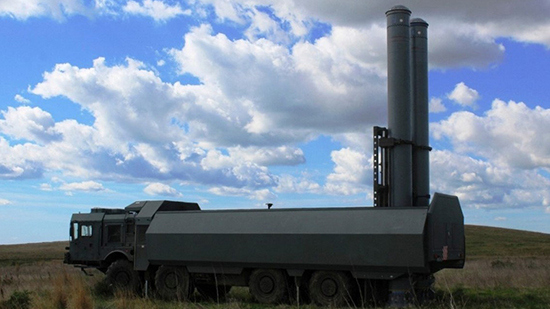
Defense analysts note that Russia has significantly bolstered its military presence on the Kuril Islands in recent years, deploying advanced missile systems and conducting increasingly frequent military exercises. In 2020, Russia stationed S-300V4 surface-to-air missile systems on the islands, and subsequent years have seen the deployment of coastal defense missiles capable of targeting naval vessels at considerable distances. These developments have been viewed by Tokyo as deliberate attempts to strengthen Russia’s strategic position and complicate any future negotiations over the islands’ status.
Broader Geopolitical Context
The timing of these exercises carries additional significance given the current state of Russia-Japan relations, which have deteriorated markedly since Russia’s invasion of Ukraine in February 2022. Japan joined Western nations in imposing comprehensive sanctions on Moscow, prompting Russia to suspend peace treaty negotiations and designate Japan as an “unfriendly nation.” The bilateral relationship, once showing cautious signs of improvement under various diplomatic initiatives, has effectively frozen.
Military experts suggest that Russia’s exercises near the Kurils serve multiple strategic purposes: demonstrating military capability in the Pacific theater, signaling resolve over the territorial dispute, and potentially probing Japan’s defense responses. The drills also occur against the backdrop of evolving security arrangements in the Indo-Pacific, including Japan’s growing defense cooperation with the United States and other regional partners. As tensions persist, the Kuril Islands dispute remains a significant obstacle to stability in Northeast Asia, with both nations showing little indication of compromise on their fundamental positions.
Expert Opinion: The timing of Russia’s naval exercises near the Kuril Islands appears calculated to reinforce Moscow’s claims amid broader geopolitical isolation following Western sanctions. Given Japan’s strengthening security ties with the United States and its increasing defense budget, we can expect both nations to continue using the disputed territory as leverage in their broader strategic positioning. The prospects for meaningful diplomatic progress on this 80-year-old dispute remain extremely dim for the foreseeable future.